 HBWEB GAME PORTAL
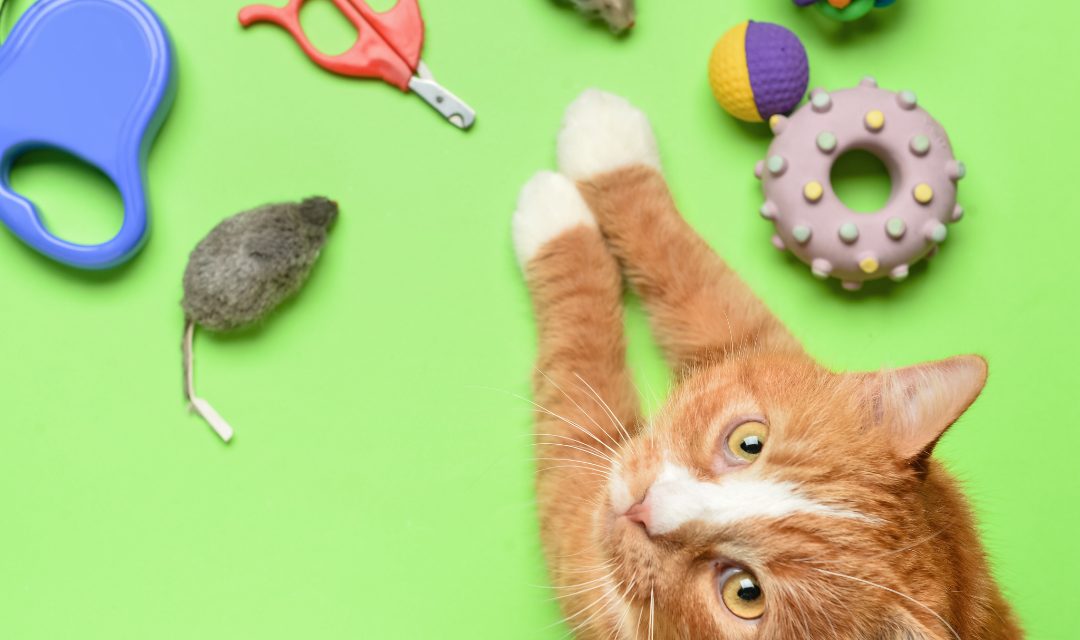
So, you’re getting a cat.
Congratulations! You are about to welcome a soft, adorable, four-legged creature into your home.
You are also about to discover that this creature has very strong opinions about where it sleeps, what it eats, which litter it prefers, and whether the expensive bed you just bought is worthy of its royal presence.
Before bringing your new cat home, it’s worth doing a little preparation. You don’t need to turn your house into a five-star feline resort overnight, and you definitely don’t need to buy every cute cat gadget you see online.
Your cat needs a few basic things to feel safe, comfortable, and cared for.
Everything else?
Well, you can buy it later after your cat has rejected the expensive toy and fallen in love with the cardboard box it came in.
Here’s what you should have ready before your new roommate—with fur and absolutely no intention of paying rent—arrives.
1. A Comfortable Cat Carrier
Let’s start with something you absolutely need: a cat carrier.
You’ll need it to bring your cat home safely, and you’ll probably use it again for vet visits and other trips.
Choose a carrier that is sturdy, secure, well ventilated, and large enough for your cat to sit, stand, and turn around comfortably.
A common beginner mistake is thinking, “I’ll just carry the cat in my arms.”
Please don't.
Even the calmest cat can panic when surrounded by unfamiliar smells, noises, cars, and people. A frightened cat has a surprising amount of enthusiasm for escaping.
And once a cat decides it wants freedom, you may discover that you are not, in fact, faster than a cat.
A carrier is much safer.
You can also make it less intimidating by putting a familiar towel or small blanket inside. A carrier that smells familiar can feel more like a safe little room and less like a mysterious plastic spaceship.
2. Food and Water Bowls
Your new cat will need separate dishes for food and water.
Simple is perfectly fine. You don't need a bowl with Bluetooth, a touchscreen, or an app that sends you notifications saying, “Your cat has eaten 3.7 grams of dinner.”
Choose bowls that are easy to clean and difficult to tip over.
Stainless steel and ceramic are popular choices because they are generally easy to wash.
And here's an important rule: keep the water fresh and clean. Cats should have access to fresh water at all times.
You may eventually discover that your cat refuses to drink from the beautiful bowl you bought and prefers drinking from a completely inappropriate location.
For example: your glass.
Because apparently your water is more delicious when it belongs to you.
3. The Right Cat Food
Food is obviously essential, but don't go crazy buying ten different varieties before you know what your cat likes.
Start with a nutritionally complete food appropriate for your cat's age and life stage. Kittens have different nutritional needs from adult cats, and your veterinarian can help you choose an appropriate diet, especially if your cat has specific health needs.
If you're adopting a cat from a shelter, rescue organization, or previous owner, ask what food the cat has already been eating.
Keeping the same food initially can make the transition easier.
You can always change the diet later if necessary, but suddenly changing everything at once can upset your cat's stomach.
In other words, moving house is already a major life event.
Maybe don't add a surprise food revolution to the schedule.
4. A Litter Box
This is one purchase you absolutely cannot skip.
Your cat needs a clean, accessible litter box in a quiet location where it can use the bathroom without being disturbed.
When choosing a litter box, consider the size of your cat. It should give your cat enough room to enter, turn around, dig, and leave comfortably.
And don't immediately assume that the fanciest automatic litter box is the answer.
Some cats are surprisingly picky about their bathrooms.
They may dislike the location.
They may dislike the litter.
They may dislike the box.
They may dislike the smell.
They may even seem personally offended by the entire concept.
ASPCA recommends keeping litter boxes clean and scooping them at least daily. In multi-cat households, a commonly recommended guideline is one box per cat plus one extra.
Your cat may not be able to say, “Excuse me, this bathroom is unacceptable,” but it may find another location to make its point.
Usually somewhere you really don't want it to.
5. Cat Litter
Of course, a litter box without litter is basically just a strange plastic bathtub.
Start with an unscented litter if possible. Strong fragrances that humans find pleasant may not be equally appealing to cats.
Cats can be surprisingly particular about texture and scent, so don't panic if your first choice isn't a hit.
If your cat refuses to use the box, don't immediately conclude that it's being “naughty.”
Litter-box avoidance can have behavioral, environmental, or medical causes, and persistent problems should be discussed with a veterinarian.
The goal is simple:
Clean box. Quiet location. Cat approves.
You may never receive a thank-you.
But that's okay.
6. A Scratching Post
Buy a scratching post before your cat arrives.
Not after your sofa has already become a scratching post.
Cats naturally scratch. Scratching helps maintain their claws and provides an important form of normal behavior and enrichment. ASPCA recommends a sturdy scratching post that won't wobble when the cat uses it.
A good scratching post should be stable enough that your cat can really stretch and scratch without knocking it over.
You can also consider scratching pads or horizontal scratchers because cats have individual preferences.
And here's the golden rule of cat ownership:
Your cat does not care how much you paid for your furniture.
If the scratching post is boring and your sofa is exciting, guess which one wins?
Exactly.
7. A Cozy Bed—or Just a Box
This is where things get funny.
Yes, you can buy a comfortable cat bed.
Should you?
Absolutely.
Will your cat use it?
That's between your cat and its lawyer.
Cats like warm, comfortable, secure places to sleep, so provide a cozy bed, blanket, or other safe resting area.
But don't feel pressured to spend a fortune.
A cardboard box with a soft blanket may become your cat's favorite luxury suite.
In fact, you may spend $50 on a beautiful bed only to find your cat sleeping next to it in the Amazon box.
Don't take it personally.
Your cat is simply expressing its artistic vision.
8. A Few Toys
Your new cat will need things to do.
Toys provide play, exercise, and mental stimulation, and interactive play can help indoor cats stay engaged with their environment.
But you don't need to buy the entire pet store.
Start with a small selection:
- A wand toy
- A few lightweight balls
- Small toys designed for cats
- An interactive or puzzle toy
See what your cat actually enjoys.
Some cats love chasing toys.
Some love batting things under furniture.
Some become obsessed with one tiny plastic ball that costs approximately 37 cents.
And some will completely ignore their collection of toys and attack a receipt.
Welcome to cat science.
One important rule: supervise your cat with toys that contain strings, feathers, small detachable parts, or anything that could be swallowed. Put potentially unsafe toys away when you're not around to supervise.
9. A Brush or Comb
Your cat may spend an impressive amount of time grooming itself, but that doesn't mean you can't help.
A brush or comb appropriate for your cat's coat can help remove loose fur and reduce shedding. Regular grooming can also help reduce hairballs.
Short-haired cats may need less grooming than long-haired cats, while long-haired cats often benefit from more frequent brushing.
Start gently.
You don't want your first grooming session to become an action movie.
Let your cat sniff the brush first, then introduce it gradually and reward calm behavior.
Eventually, some cats actually enjoy being brushed.
Others will look at you as if you've committed a serious breach of international law.
10. A Safe Place to Hide
This one doesn't always appear on shopping lists, but it's incredibly useful.
Your new cat may feel overwhelmed during the first few days in a strange home.
Instead of immediately giving it access to every room, consider setting up a quiet “home base” where it can retreat and gradually adjust. ASPCA recommends creating a dedicated, quiet space and allowing a new cat to become comfortable before gradually introducing more of the home.
The space could include:
- Food and water
- Litter box
- Bed or blanket
- Scratching post
- A few toys
- A hiding place
A cardboard box can work beautifully.
Yes, we're back to the cardboard box.
At this point, you may be wondering why you bought anything else.
11. A Cat Tree or Perch
This isn't an absolute necessity, but it's one of the most useful upgrades for many indoor cats.
Cats often enjoy climbing, observing their surroundings from higher places, and having their own resting areas. Creating vertical space can be particularly useful in smaller homes.
A cat tree can provide:
- A high resting spot
- A scratching surface
- A place to observe the room
- A little personal territory
But again, don't assume expensive means better.
Your cat may choose the top of your bookshelf instead.
If it does, congratulations.
You now have a cat tree made of furniture you already owned.
12. Basic Grooming and Nail-Care Supplies
A basic grooming kit is useful to have at home.
Depending on your cat, that might include:
- A suitable brush
- A cat nail trimmer
- A towel
- Pet-safe cleaning supplies
Don't feel like you need to perform a full salon treatment on day one.
Your first priority is helping your cat feel safe.
Nail trimming can be introduced gradually, and if you're unsure how to do it safely, ask a veterinarian or qualified professional to show you.
There is no prize for doing it yourself while your cat is dramatically protesting.
13. Identification and Safety
Depending on where you live and your cat's circumstances, identification can be an important part of responsible ownership.
A safety-release collar with an identification tag may be appropriate for some cats, especially if they may accidentally get outside. Microchipping is another important identification option to discuss with your veterinarian.
Also check your home before your cat arrives.
Secure windows and doors, tuck away electrical cords, and remove potentially poisonous plants or dangerous household substances. ASPCA specifically recommends pet-proofing areas that a curious cat might explore.
Because cats are experts at finding places you forgot existed.
If there is a tiny gap behind the washing machine, your cat will eventually investigate it.
It's basically a law of physics.
14. A Small Cleaning Kit
Let's be realistic.
At some point, your cat will probably make a mess.
Maybe litter gets kicked across the floor.
Maybe fur appears on every black item of clothing you own.
Maybe your cat knocks over a water bowl five minutes after you filled it.
You don't need a giant cleaning arsenal. Just keep a few pet-safe cleaning supplies and some paper towels or washable cloths handy.
If your cat has a litter-box accident, clean the area thoroughly rather than simply covering the smell. Persistent elimination problems should be addressed rather than punished.
And please don't punish your cat for accidents.
Cats don't learn good bathroom habits because you yelled at them. They may simply become more stressed or frightened.
15. A Little Patience
Technically, you can't buy this at a pet store.
But you absolutely need it.
Your new cat may walk out of the carrier and immediately explore everything.
Or it may disappear under the bed for three days.
Both reactions can happen.
A new home contains unfamiliar smells, sounds, people, furniture, and routines. Giving your cat time to adjust can make the transition much easier.
Don't force cuddles.
Don't drag the cat out of its hiding place.
Don't introduce it to every visitor in the neighborhood on the first afternoon.
Let your cat come to you.
And when it finally walks over, sits beside you, and starts purring?
Congratulations.
You've been accepted. Possibly.
There may still be an interview next week.
Final Thoughts
Preparing for a new cat doesn't have to mean spending a fortune.
The essentials are actually pretty simple: food, fresh water, a suitable litter box and litter, somewhere comfortable to sleep, a place to scratch, a few toys, a carrier, and a safe environment.
The most important thing isn't how many gadgets you buy.
It's whether your new cat feels safe.
Give it a quiet place to settle in. Keep its basic needs close by. Let it explore at its own pace. Pay attention to its body language. And don't be offended if it ignores the $80 bed and sleeps inside the delivery box.
That's not failure.
That's just your first lesson in cat ownership.
You don't own the cat.
You merely provide housing, food, entertainment, cleaning services, and occasional emotional support. 🐱