 HBWEB GAME PORTAL

Ever looked at your cat sleeping peacefully on the sofa and thought, “You know what? Let’s take this tiny creature on an adventure!”?
Traveling with a cat can be an amazing way to bond, explore new places together, and create unforgettable memories. Of course, your cat may have a slightly different definition of “fun.” While you’re dreaming of scenic views and exciting adventures, your feline companion may be thinking, “Why have you removed me from my sofa?”
The good news is that traveling with your cat doesn’t have to be a disaster. With the right preparation, a little patience, and enough snacks to keep your furry travel companion happy, you can make the journey safer and much more enjoyable for both of you.
Whether you’re planning a weekend getaway, a road trip, a hotel stay, or even a flight to somewhere far away, here’s everything you need to know before taking your cat out into the big wide world.
And yes, your cat will probably judge your travel plans. That’s just part of the experience.
1. Choose a Cat-Friendly Destination

Before booking your dream vacation, make sure your cat is actually welcome there.
Not every hotel, resort, attraction, or public space allows cats. Even places that advertise themselves as “pet-friendly” may have specific rules about where cats can stay and what you can do with them.
Before making a reservation, check:
- Whether cats are allowed
- Whether there are additional pet fees
- Whether there are restrictions on the number or size of pets
- Whether your cat can be left alone in the room
- Which areas of the property are accessible to cats
- Whether nearby attractions allow cats
- Whether there are veterinary clinics or pet stores nearby
You should also check the local regulations at your destination, especially if you’re traveling internationally.
A few minutes of research before your trip can save you from an awkward situation later.
Because discovering that your hotel doesn't allow cats after you've already arrived is not exactly the kind of surprise anyone wants.
Your cat might forgive you eventually.
Your wallet might not.
2. Check Your Cat’s Health Before the Trip
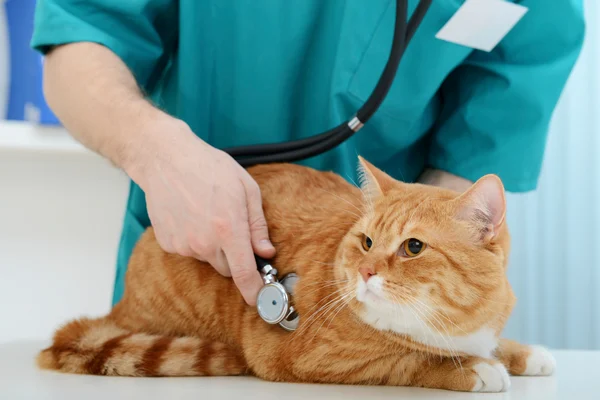
Before taking your cat on a long journey, consider scheduling a veterinary check-up.
Your cat may look perfectly healthy while spending twelve hours sleeping, eating, and staring at you from the sofa, but traveling can be physically and emotionally demanding.
A veterinarian can check your cat’s overall health and make sure vaccinations and other necessary medical requirements are up to date.
This is especially important if your cat is older or has an existing health condition.
Ask your veterinarian whether your cat is suitable for the type of trip you’re planning and whether there are any special precautions you should take.
It's also worth thinking about your cat's personality.
Does your cat tolerate a short car ride reasonably well? Great.
But that doesn't necessarily mean your cat will happily spend six hours in a moving vehicle.
Some cats are natural travelers.
Others hear the engine start and immediately begin planning their escape.
3. Help Your Cat Get Used to Traveling
If your cat has never traveled before, don't make its first adventure a twelve-hour road trip followed by an airport, a plane, and a completely unfamiliar hotel room.
Instead, start slowly.
Get Your Cat Comfortable With the Carrier
Many cats only see their carrier when something unpleasant is about to happen.
You bring it out.
Your cat disappears.
You call its name.
Your cat suddenly develops the ability to become completely invisible.
Sound familiar?
Instead of bringing the carrier out only before vet visits, leave it somewhere your cat can explore. Put a familiar blanket, toy, or treat inside and let your cat investigate it at its own pace.
Over time, the carrier can become a familiar and less frightening space.
Start With Short Trips
Before going on a long journey, take your cat on short trips.
Gradually introduce your cat to the sounds, movement, and unfamiliar sensations of traveling.
The more comfortable your cat becomes with traveling, the easier the real adventure is likely to be.
4. Pack a Travel Bag for Your Cat

Your cat may not need a designer suitcase, but it definitely needs its own travel kit.
Before leaving, prepare everything your cat may need during the journey.
Your packing list should include:
- Your cat’s usual food
- Plenty of drinking water
- Food and water bowls
- Favorite toys
- A familiar blanket or bed
- A suitable carrier
- Leash and harness, if your cat is trained to use them
- A portable litter tray
- Familiar litter
- Waste bags
- Cleaning supplies
- Any necessary medication
- Basic first-aid supplies
- Vaccination and medical records
- Identification tag
- Your cat’s recent photos
Bring enough food and water for the journey, plus some extra in case of delays.
And don't suddenly change your cat's diet just because you're on vacation.
Your cat may be adventurous about knocking things off tables, but its digestive system may not share the same enthusiasm for culinary experimentation.
5. Make Sure Your Cat Can Be Identified

A new city can be exciting for you and completely confusing for your cat.
Even if your cat normally stays indoors, an unfamiliar environment can increase the risk of escaping or getting lost.
Before your trip, make sure your cat has a secure identification tag with your current contact information.
If your cat is microchipped, make sure the registration information is accurate and up to date.
You should also take several clear photos of your cat before leaving.
Hopefully, you'll never need them.
But when it comes to cats, it’s better to be prepared than to discover that your little Houdini has slipped through a door and decided to begin a completely unscheduled solo vacation.
6. Flying With Your Cat? Check the Airline Rules Carefully
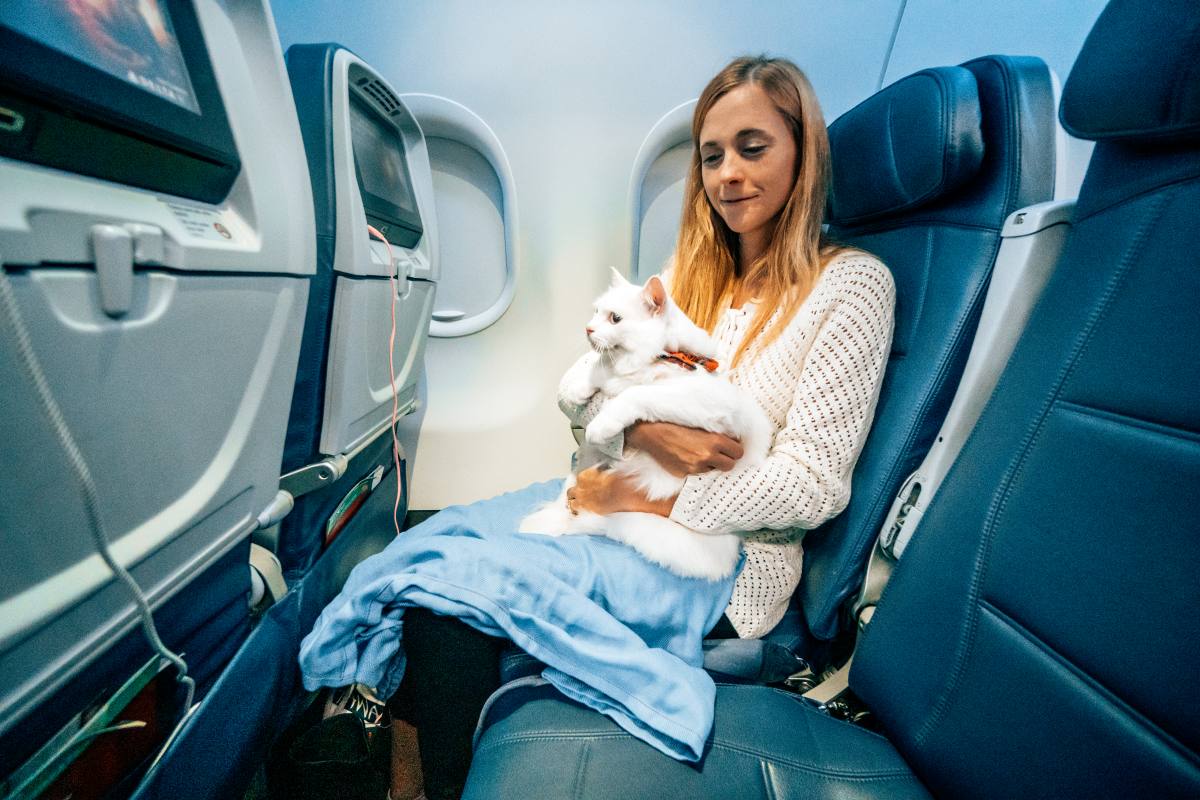
If you're planning to fly, don't assume that every airline has the same rules for traveling with cats.
They don't.
Airlines may have different requirements regarding:
- Minimum age
- Health certificates
- Vaccinations
- Carrier size
- Weight limits
- Cabin travel
- Checked or cargo transportation
- Breed or other restrictions
- Additional fees
- Destination-specific regulations
Some airlines may not allow pets in the cabin at all, while others have strict limits on the number of animals allowed on each flight.
So, check the airline's official policy before booking your ticket.
If possible, choosing a direct flight can reduce the stress of transfers and waiting around in unfamiliar airports.
You may also want to avoid extremely busy travel periods when possible.
7. Keep Your Cat Safe During the Journey

Once the adventure begins, safety should be your top priority.
If you're traveling by car, keep your cat securely inside an appropriate carrier. Never allow your cat to roam freely inside the vehicle.
A frightened cat can move surprisingly quickly, and an unexpected jump toward the driver is definitely not the kind of excitement anyone needs on a road trip.
Never leave your cat alone inside a parked car, especially in hot or cold weather.
When you arrive at your destination, keep doors and windows secure until you know your cat is comfortable and the environment is safe.
Most importantly, don't let your cat wander around unfamiliar places on its own.
A cat that confidently explores your home may suddenly become very nervous when surrounded by unfamiliar sights, smells, people, and noises.
8. Keep Your Cat’s Food and Water Routine Familiar

Travel is already a big change for your cat, so keeping mealtimes and food as familiar as possible can help reduce unnecessary stress.
Bring the food your cat normally eats rather than introducing a completely new diet during the trip.
Make sure your cat has access to fresh drinking water, particularly when traveling in hot weather.
It's also a good idea to bring more food and water than you think you'll need.
Flights can be delayed.
Traffic can be terrible.
Your hotel may be farther from the nearest pet store than expected.
And your cat will probably choose that exact moment to look at its empty food bowl as if you have committed a serious crime.
9. Give Your Cat Time to Relax
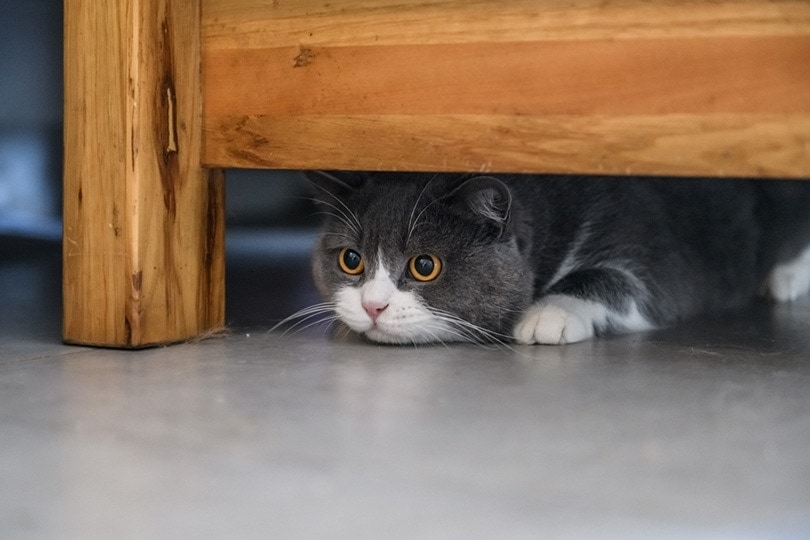
Arriving somewhere new doesn't mean your cat immediately wants to go sightseeing.
In fact, your cat may need some time to adjust.
When you arrive at your hotel or accommodation, give your cat a quiet, secure space where it can hide, rest, and explore gradually.
Bring familiar items from home, such as a blanket or favorite toy. Familiar smells can help make an unfamiliar room feel less strange.
Don't force your cat to explore. Let it decide when it's ready.
Your cat may spend the first few hours hiding under the bed and pretending you don't exist.
That's okay. It's probably just conducting a thorough security inspection.
10. Keep Your Cat Entertained

Travel doesn't mean your cat has to spend the entire vacation staring at the wall.
Bring a few favorite toys and spend some time playing together every day.
Interactive toys can help your cat stay mentally stimulated and burn off some energy, especially if you're staying somewhere without much room to explore.
If your cat is comfortable with a harness and leash, you may be able to take it outside in a quiet, secure area.
However, don't assume every cat wants to go for a walk.
Some cats enjoy exploring the outdoors.
Others take one look at the outside world and immediately request room service.
Always consider your cat's personality and comfort level.
11. Keep Things Clean and Respect Other People
Traveling with a cat also means being a responsible traveler.
Always clean up after your cat and dispose of litter and waste properly.
If you're staying at a hotel, keep the litter area clean and prevent your cat from damaging furniture or disturbing other guests.
Remember that not everyone is a cat person.
Yes, we know. It is difficult to understand.
But apparently, some people can walk past a cat without stopping to admire it.
Try to respect other travelers anyway.
Being considerate helps create a better experience for everyone—and makes it easier for other cat owners to travel with their feline companions in the future.
12. Have a Backup Plan
Even the best-planned trip can go slightly wrong.
Your flight could be delayed. Your cat could refuse to eat.
The hotel room could turn out to be noisier than expected.
Or your cat could decide that the suitcase is the perfect place to sleep five minutes before you're supposed to leave.
That's why it's smart to have a backup plan.
Keep important information easily accessible, including:
- Your veterinarian's contact details
- A nearby veterinary clinic at your destination
- Your cat's medical records
- Emergency contact information
- Your accommodation details
A little preparation can make unexpected problems much easier to handle.
13. Know When Your Cat Has Had Enough

Not every cat enjoys traveling.
And that's perfectly okay.
Pay attention to your cat's behavior throughout the trip. Signs of significant stress may include hiding, refusing food or water, unusual vocalization, or other changes in normal behavior.
If your cat is clearly overwhelmed, don't force it to participate in every activity on your itinerary.
You may have planned a full day of sightseeing.
Your cat may have planned twelve consecutive hours of sleeping under the bed.
The goal of traveling with your cat isn't to make your cat experience as many attractions as possible. It's to spend time together while keeping your feline companion safe and comfortable.
Final Thoughts: Let the Adventure Begin
Traveling with your cat can take more preparation than traveling alone, but the experience can be incredibly rewarding.
From choosing the right destination and checking airline regulations to preparing food, familiar toys, medical records, and a comfortable carrier, every little bit of preparation can make the journey smoother.
Most importantly, remember that your cat isn't a tiny human with fur.
Cats have their own personalities, preferences, fears, and comfort levels.
Some will happily investigate every new room they encounter.
Others will spend the entire vacation hiding behind the curtains and wondering why you couldn't have simply stayed home.
Either way, be patient and let your cat adjust at its own pace.
And perhaps, if you're lucky, your cat might even forgive you for putting it in the carrier.
No promises, though.