 HBWEB GAME PORTAL
Walk into a pet store and you'll quickly discover something terrifying:
Apparently, your cat needs a $100 bed, a smart water fountain, an automatic feeder, a luxury tunnel, three kinds of toys, a cat spa, and possibly a tiny sofa.
Your cat, meanwhile, is sleeping inside the cardboard box the products came in.
So what does your cat actually need?
The answer is surprisingly simple.
Some products genuinely support natural cat behavior and make life easier for both you and your furry roommate. Others are nice extras—but your cat may completely ignore them.
Here are 5 things worth buying and 5 things you probably don't need to rush out and buy.
Quick note: The percentages below come from different cat-owner surveys, so they shouldn't be treated as a single universal ranking. They show how commonly owners provide or use certain products—not whether every cat personally loves them.
The Quick Reality Check
Here are some useful numbers from recent and published surveys:
|
Cat product/resource |
Reported use or provision |
|
🪶 Toys that mimic prey |
89.0% |
|
🪵 Scratching posts |
84.2% |
|
🌿 Catnip |
62.3% |
|
🌳 Cat towers |
55.2% |
|
🧩 Food puzzles |
30.0% currently |
|
💧 Water fountains |
19.1% |
|
🛏️ Radiator beds |
22.7% |
|
🌱 Cat grass |
14.9% |
|
😌 Calming pheromone products |
6.5% |
The numbers come from different surveys and populations, so don't read them as “cats have voted.” But they do give us a pretty good idea of which products are common and which are more niche.
5 Things You SHOULD Buy
1. A Good Scratching Post 🪵
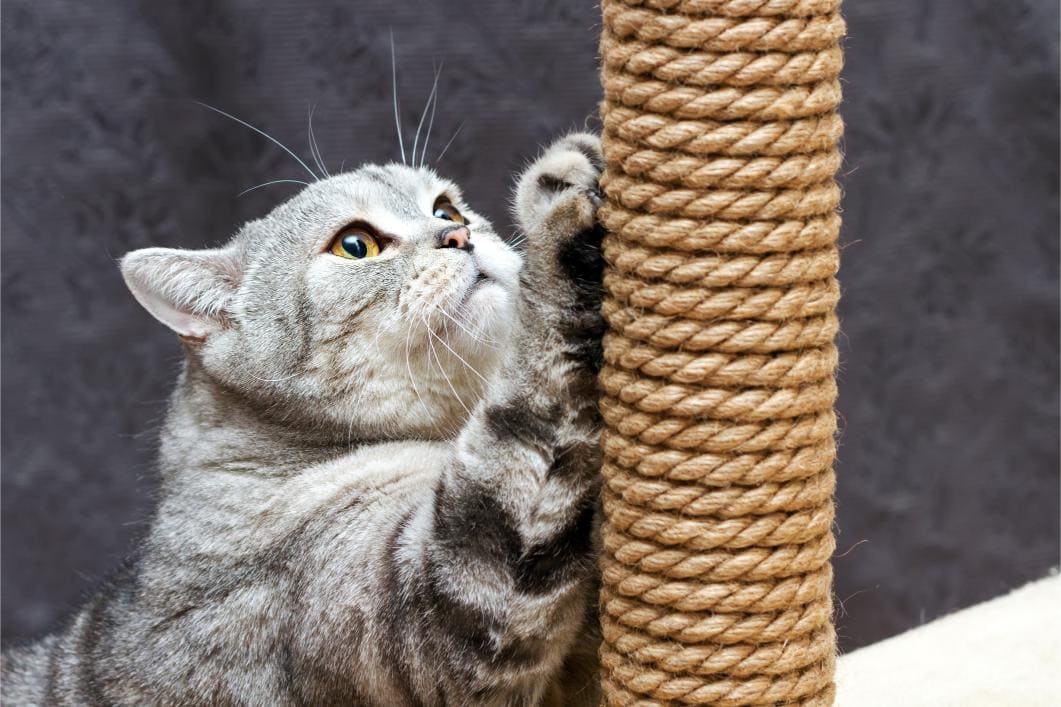
If there's one thing you should buy before your cat arrives, it's a scratching post.
Cats scratch for several normal reasons: stretching, maintaining their claws, marking territory, and releasing energy.
And if you don't provide an appropriate place to scratch?
Congratulations.
Your sofa has just been promoted to scratching post.
A 2025 UK survey found that 84.2% of households had a scratching post, while another large survey found that scratching was extremely common among cats, with many using designated scratching posts regularly.
Research has also found that cats often prefer certain scratching materials and positions. Vertical posts are particularly common, while sisal rope is a popular substrate among younger cats.
Buy it? Absolutely.
Just make sure it's sturdy enough that your cat can stretch and scratch without sending the entire thing flying across the room.
2. Toys That Actually Let Cats Hunt 🪶
Your cat doesn't necessarily need a toy that costs $30 and lights up like a spaceship.
What it really needs is an opportunity to behave like a cat.
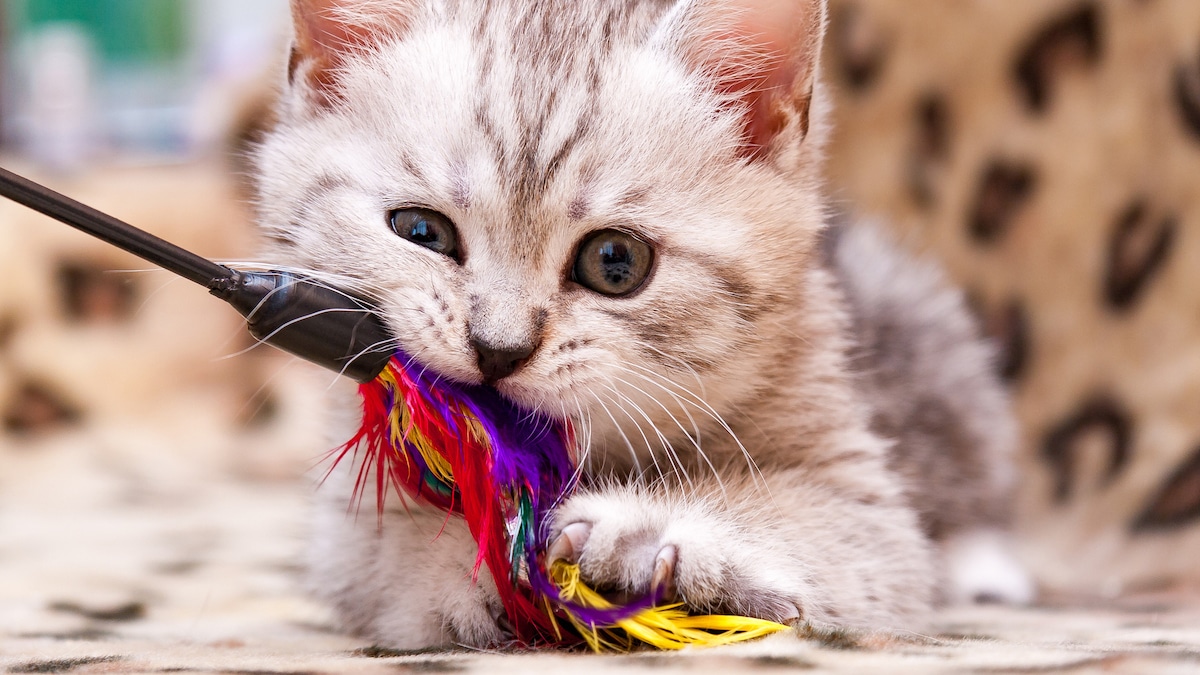
Toys that mimic prey—such as wand toys, feather toys, or small moving toys—are particularly useful because they encourage chasing, stalking, pouncing, and batting.
In the 2025 UK survey, 89% of households provided toys that mimicked quickly moving prey, making them the most commonly provided accessory in that study.
And here's the funny part:
You can spend $25 on a beautifully designed toy.
Your cat may choose the piece of string attached to the packaging.
Classic.
Buy it? Yes.
But buy a few simple toys rather than turning your living room into a cat-themed toy warehouse.
3. A Cat Tree or Climbing Spot 🌳
Cats like height.
Being up high gives them a place to observe what's happening around them while feeling relatively secure.
A cat tree can also provide climbing, resting, scratching, and play opportunities in one piece of furniture.
In the UK survey, 55.2% of households had a cat tower. Another large Australian study found that 64.2% of cats had access to a cat tower or tree.
You don't necessarily need a gigantic seven-level cat mansion.
A stable tree with a scratching area and a couple of platforms may be enough.
Unless your cat has recently been promoted to CEO.
Then obviously it needs the penthouse.
4. A Comfortable Hiding Place
This one doesn't even have to be expensive.
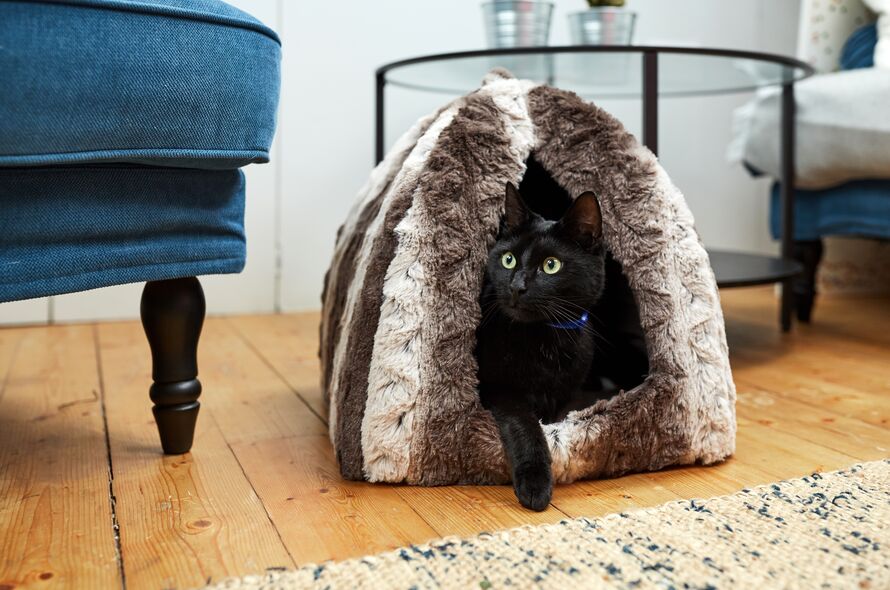
Cats like having places where they can retreat and feel safe.
A covered bed, quiet corner, cat cave, shelf, or even a strategically placed cardboard box can work.
In one survey of 547 cat-owning households, 92.1% provided cats with a quiet, private hiding place.
That's a pretty strong signal.
And here's the best news for your wallet:
The cat may prefer the box.
So before buying an expensive designer cat cave, put an ordinary cardboard box somewhere quiet.
Your cat may immediately move in.
5. A Water Setup Your Cat Will Actually Use
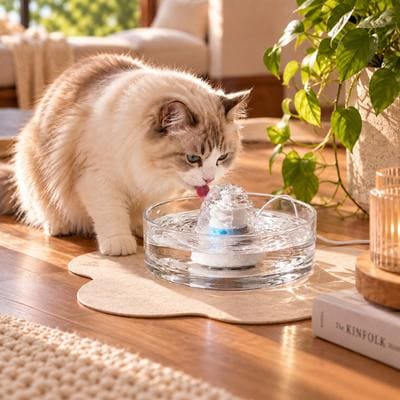
Cats need access to fresh water, but individual cats can have very different preferences about how and where they drink.
A simple bowl may be perfectly fine.
Some cats, however, seem more interested in moving water, which is why fountains have become popular.
A 2025 UK survey found that 78.4% of respondents provided water in a bowl, while 19.1% used a water fountain.
So a fountain isn't a universal must-have.
It's more like:
“Your cat might love this. Your cat might also stare at it suspiciously for three weeks.”
If your cat already drinks happily from a clean bowl, you don't necessarily need to upgrade to a futuristic fountain.
5 Things You Probably DON'T Need to Buy Immediately
1. The $100 Luxury Cat Bed
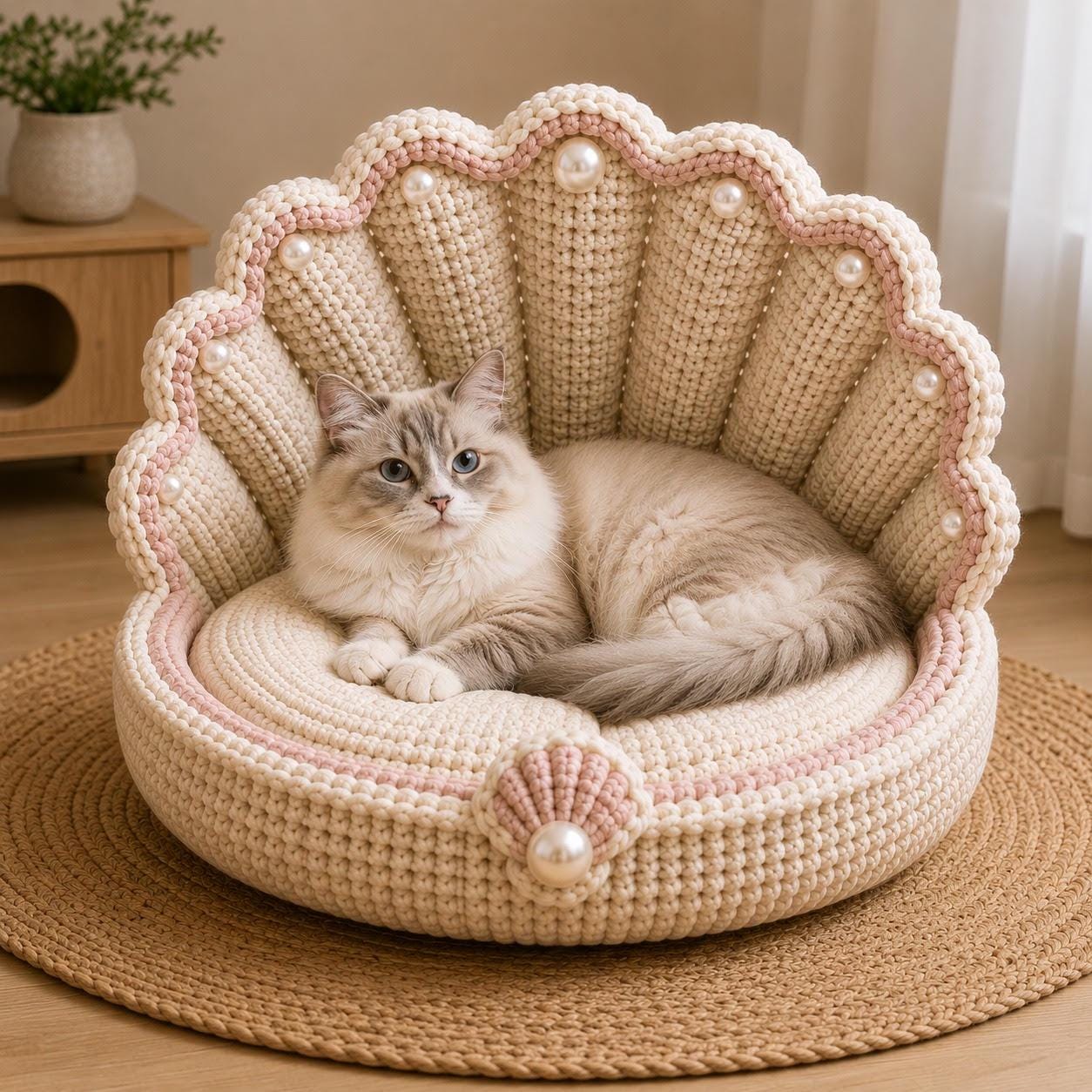
This is one of the great mysteries of cat ownership.
You buy a beautiful bed.
Your cat ignores it.
You put a blanket on the floor.
Your cat sleeps there.
You put the blanket inside the bed.
Your cat sleeps next to the bed.
You give up.
Your cat climbs into the shipping box.
A survey found that 75.9% of owners provided comfortable cat beds, so beds are certainly common.
But that doesn't mean your cat needs an expensive designer bed.
Don't overspend before you know what your cat likes.
Buy something simple first.
Your cat will conduct the quality-control testing.
2. A Fancy Food Puzzle Before You Know Your Cat
Food puzzles can be useful enrichment, but they're not a universal hit.
One large survey found that only 30% of participants were currently using food puzzles. Another 18% had tried them but stopped, while 52% had never used one.
Among former users, some said the puzzles were messy, inconvenient, or simply didn't work well for their cats.
That doesn't mean food puzzles are bad.
Quite the opposite—they can be useful for some cats.
But don't buy five expensive puzzle feeders because an influencer told you your cat needs them.
Try one simple puzzle first.
If your cat looks at it like you've just handed over a tax return, you have your answer.
3. Cat Grass Just Because Instagram Has It
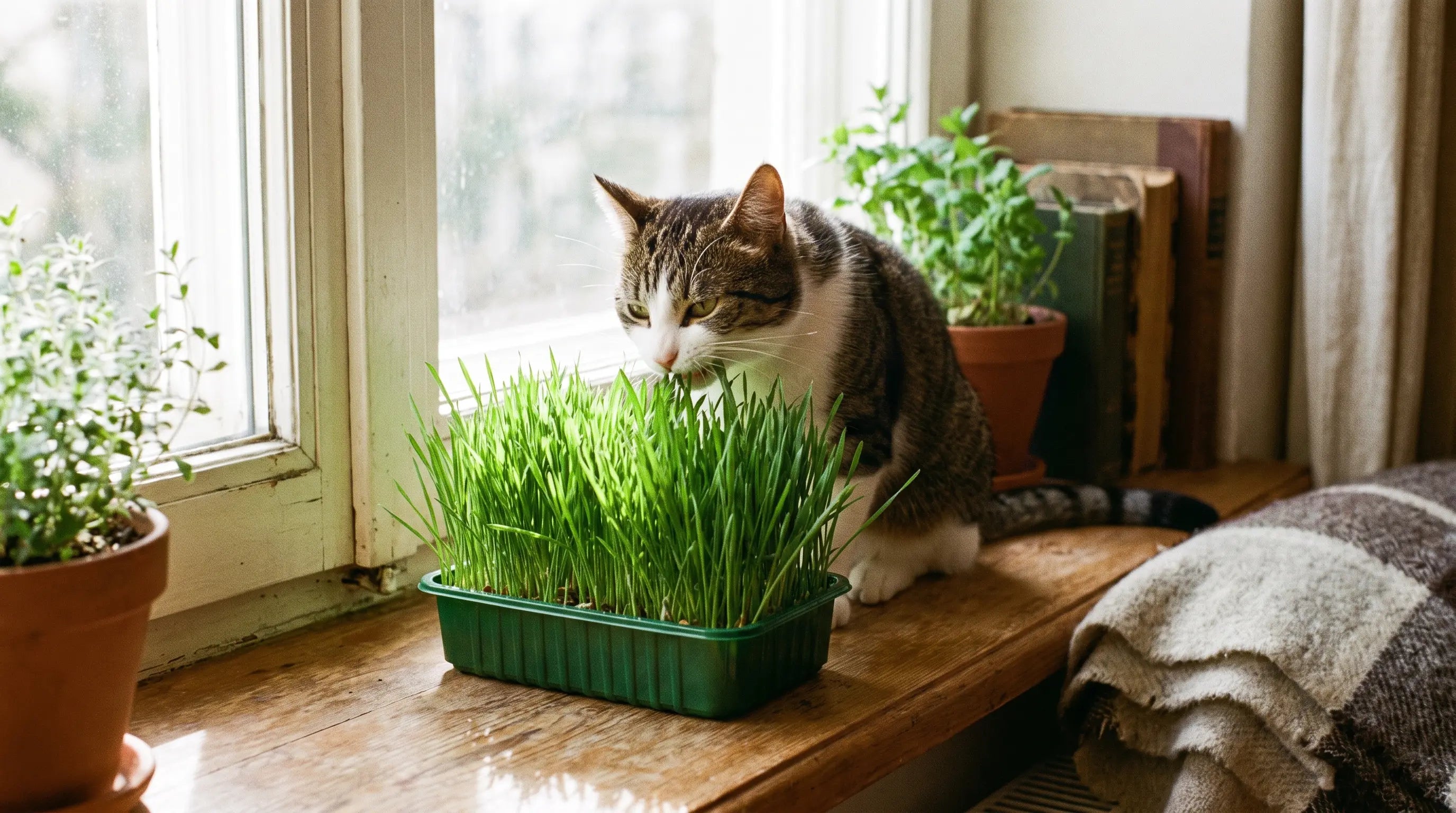
Cat grass can be a perfectly reasonable enrichment item for some cats, but it's not an essential purchase for every household.
In a 2025 UK survey, only 14.9% of households reported providing cat grass.
That doesn't mean 85.1% of cats hate cat grass.
It simply means it isn't a standard item in most of those homes.
So don't feel guilty if your cat doesn't have a tiny indoor garden.
Your cat already has enough plants to destroy by chewing the leaves.
4. Expensive Heated or Radiator Beds
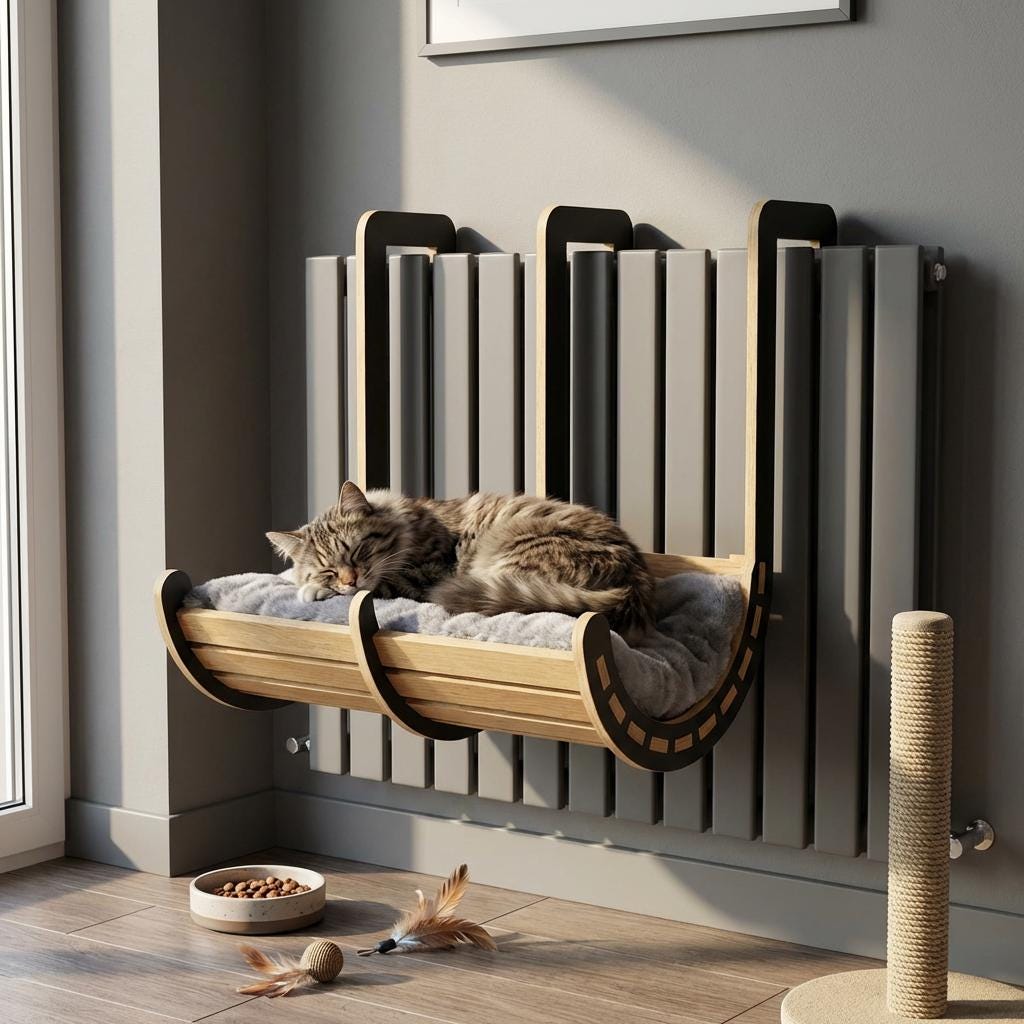
A heated bed can be useful in specific situations, particularly for cats that genuinely enjoy warm resting places.
But it's not automatically necessary.
In the UK survey, only 22.7% of households provided a radiator bed.
Again, that's not proof that cats dislike them.
It simply shows they're much more niche than basic resources such as scratching posts and prey-style toys.
Before buying one, try something much cheaper:
A soft blanket in a warm, comfortable location.
If your cat becomes obsessed with it, you've learned something useful.
If not, congratulations—you just saved some money.
5. Calming Products “Just in Case”
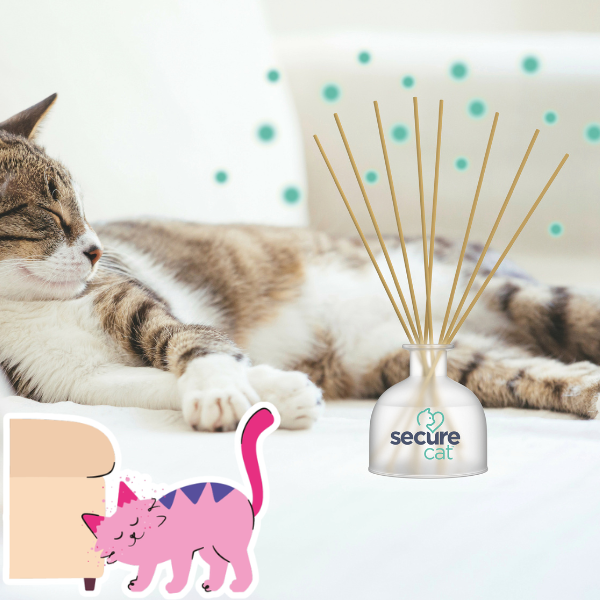
Pheromone diffusers and other calming products can have specific uses, but they're not something every cat needs sitting permanently in the corner of the living room.
In the 547-household survey, only 6.5% of owners reported providing calming pheromone products.
That doesn't mean they're useless.
It means they're a specialized purchase, rather than a basic piece of cat equipment.
If your cat is relaxed, eating normally, playing, sleeping, and generally behaving like the tiny dictator it was born to be, you probably don't need to buy a calming diffuser simply because the packaging looks impressive.
So, What Should You Actually Buy?
If you're bringing home your first cat, don't panic-buy half the pet store.
Start with the basics:
BUY FIRST:
✔ A sturdy scratching post
✔ A few prey-style toys
✔ A safe hiding place
✔ A comfortable resting area
✔ A suitable food and water setup
Then watch your cat.
That's the secret.
Your cat will tell you what it likes.
Maybe it loves climbing.
Maybe it prefers sleeping on the floor.
Maybe it drinks from a bowl.
Maybe it becomes obsessed with a fountain.
Maybe it loves expensive toys.
Or maybe it spends three hours attacking a shoelace.
Cats have opinions.
Strong opinions.
And unlike human opinions, they will usually demonstrate them by sitting directly on the thing they don't want you to use.
The Golden Rule of Cat Shopping
Don't buy what looks impressive to you. Buy what your cat actually uses.
The pet industry can make cat ownership look like you need a miniature luxury apartment filled with gadgets.
You don't.
Cats need opportunities to scratch, climb, hide, play, rest, eat, and drink. The best products are the ones that support those natural behaviors—not necessarily the ones with the fanciest packaging.
And remember the most important rule of all:
Before buying a $100 cat bed, test the cardboard box.
There's a surprisingly good chance your cat has already made its decision. 😹