 HBWEB GAME PORTAL
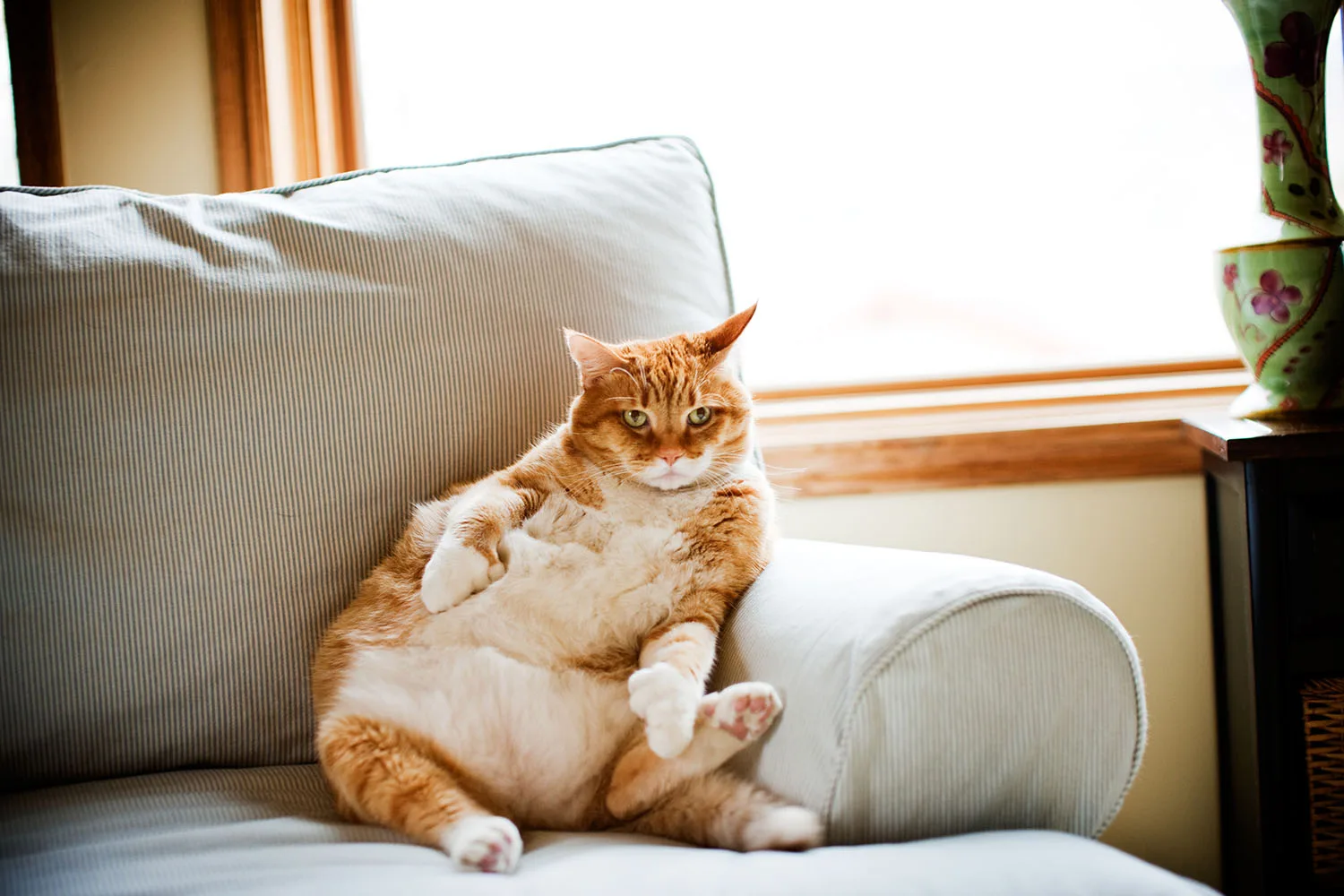
Every morning, millions of people perform the same heartbreaking ritual: they put on their shoes, grab their bags, and leave their cats behind.
Some cats watch from the window. Others sit beside the door with the expression of a Victorian orphan whose entire family has emigrated. A few don't even bother looking up from their breakfast.
But once the door closes, what actually happens?
Does your cat spend the day missing you? Does it throw a party with the neighborhood cats? Has it finally figured out how to open the refrigerator?
The truth is probably less dramatic than a Hollywood movie, but considerably funnier than you might expect.
Welcome to your cat's secret workday.
1. The Morning Goodbye: An Oscar-Worthy Performance
You've got ten minutes to leave the house.
Your cat has spent the past twenty minutes sitting directly on your clothes, walking between your legs, and somehow appearing wherever you're trying to go.
Then you pick up your keys.
Suddenly, your cat becomes interested in the front door.
You say goodbye. Your cat stares at you.
You apologize for going to work, even though your cat has never contributed a single cent toward the electricity bill.
And just before you leave, it gives you a look that seems to say, "Fine. Abandon me. I'll remember this."
But here's the twist: many cats are perfectly capable of settling down once their owners leave. Cats often sleep, explore, groom themselves, or watch their surroundings when nobody is home.
Some cats form strong bonds with their humans and may miss their company. Others are more independent. Their reactions depend on their individual personalities, experiences, and routines.
So don't assume your cat is heartbroken just because it watches you leave.
It might simply be checking whether you've remembered to leave the interesting cardboard box on the floor.
Priorities matter.
2. The Great Nap Marathon
If your cat had a fitness tracker, its daily report might look something like this:
- Sleeping: 16 hours
- Walking to the food bowl: 4 minutes
- Staring at a wall: 12 minutes
- Running through the hallway for no apparent reason: 30 seconds
- Recovering from all that exercise: 3 hours
Cats commonly sleep around 12–16 hours a day, although some sleep more or less depending on their age, health, and activity levels.
In other words, while you're trapped in meetings, answering emails, and pretending to understand spreadsheets, your cat is conducting extensive research into the relationship between cushions and comfort.
It has several sleeping locations available.
The bed is too obvious. The sofa is acceptable. The laundry basket is excellent. A cardboard box containing something you ordered three weeks ago is practically a luxury resort.
And, of course, there's your pillow.
Your cat may rotate between these locations throughout the day, carefully selecting whichever spot offers the best combination of warmth, softness, and complete disregard for your preferences.
The remarkable thing is that cats can make sleeping look like a demanding profession.
A nap on the sofa requires concentration. A nap in a box requires advanced spatial planning. A nap with one paw hanging off the table is apparently an extreme sport.
By the time you return home, your cat may be exhausted.
Not from doing anything, obviously.
From being so good at doing nothing.
3. The Window Watch Department
At some point, your cat will probably visit the window.
This is where the real work begins.
Outside, the world is full of suspicious activity: birds hopping between branches, people carrying shopping bags, dogs walking past, and that one neighbor who always seems to be doing something interesting.
Your cat observes everything.
A bird lands on the fence.
Its ears point forward.
A squirrel appears.
Its entire body becomes tense.
Then it notices a leaf blowing across the pavement.
Emergency meeting.
Some cats make a strange chattering or clicking sound when watching birds. Researchers have proposed several explanations for this behavior, including excitement and frustration, but its exact purpose isn't fully established.
Whatever the reason, the window provides an excellent source of stimulation for an indoor cat.
Think of it as television, except the channel changes constantly and the remote control is a tail.
Your cat may spend hours watching the neighborhood without ever stepping outside.
It knows when the mail carrier arrives. It recognizes familiar sounds. It has probably developed strong opinions about the local birds.
And it may have absolutely no idea what your actual job is.
From its perspective, you're the strange creature who leaves the house every morning instead of sitting by the window and watching pigeons.
Honestly, your career choices are questionable.
4. The Kitchen Inspection
Around lunchtime, your cat may decide it's time to investigate the kitchen.
This is not necessarily because it's hungry.
It might have eaten breakfast. It might have dry food available. It might even have a fancy automatic feeder.
None of this changes the situation.
The kitchen is where food happens, and food deserves regular inspection.
Your cat walks toward the bowl.
Sniffs it.
Takes one bite.
Walks away.
Returns several minutes later to check whether the food has improved.
It hasn't.
The cat looks disappointed, as though the chef has personally betrayed the restaurant's most loyal customer.
Then it investigates the water bowl.
Perhaps the water is perfectly fresh, but the bowl is positioned three centimeters to the left of where it should be. Perhaps a tiny piece of dust has appeared. Perhaps the water is simply water, which is frankly an uninspiring beverage.
Some cats prefer drinking from fountains or moving water, although individual preferences vary.
If your cat has an automatic feeder, it may learn when food is expected and wait nearby before a meal. If food is freely available, it may eat several small meals throughout the day.
Either way, your cat has important nutritional responsibilities.
It must ensure that lunch is acceptable.
And that dinner will arrive.
And that breakfast tomorrow morning will not be delayed by even a second.
The household budget may be complicated, but the food department must remain fully operational.
5. The Mysterious Zoomies
Everything is peaceful.
The curtains are still. The sofa is untouched. Your cat is sitting in the living room looking like a decorative cushion.
Then, without warning, it launches itself down the hallway.
WHAM.
It rounds a corner.
WHOOSH.
It leaps onto the sofa, bounces off a cushion, and disappears into another room.
You aren't there to witness this performance, but your neighbors may have concerns.
These sudden bursts of energy are commonly called zoomies. Cats may race around the house as a way to release energy, practise hunting-like movements, or respond to excitement.
They can happen at almost any time, including during the hours when humans are at work.
Cats are naturally inclined to be active around dawn and dusk, although their daily patterns vary. Indoor cats may also have bursts of activity after resting for long periods.
So while you're sitting in a meeting discussing quarterly targets, your cat may be competing in the imaginary Indoor Feline Grand Prix.
The course includes a rug, two chairs, a suspicious cardboard box, and the narrow space behind the television.
There are no spectators.
There are no medals.
There is only a cat who suddenly stops running, sits down, and begins washing its paw.
Race over.
The athlete has retired.
6. The Great Furniture Audit
When nobody is home, your cat may inspect the furniture.
The sofa gets a sniff.
The bookshelf receives a brief investigation.
The curtains are evaluated for climbing potential.
And the scratching post? Well, that's an interesting question.
Cats scratch for several normal reasons, including claw maintenance, stretching, marking territory, and communication. Scratching can also provide an outlet for natural behavior.
Unfortunately, your cat may prefer the arm of your expensive sofa.
Perhaps the scratching post is too short. Perhaps it wobbles. Perhaps the sofa simply has better texture.
Your cat doesn't care that the furniture cost more than your monthly grocery bill.
It has identified a design problem and is implementing improvements.
Scratch.
Scratch.
Scratch.
By the time you get home, the sofa may look as though it has survived a minor disagreement with a small woodland creature.
The solution isn't to punish your cat for behaving naturally. Instead, offer sturdy scratching posts or boards in convenient locations, experiment with different materials and orientations, and reward your cat for using them.
You can also protect vulnerable furniture while your cat learns.
Think of it as a workplace negotiation.
You provide an appropriate scratching station. Your cat agrees, in theory, to stop renovating the living room.
Whether the agreement is respected remains to be seen.
7. The Bathroom and Bedroom Investigation
Cats are curious about rooms that contain interesting smells, textures, and objects.
When you're home, the bathroom door might be closed. The bedroom might be occupied. Your wardrobe might be inaccessible.
But when the house is quiet, your cat has time to explore whatever it can safely access.
It may investigate the bathtub, sit inside an empty laundry basket, or squeeze into a cupboard that you forgot to close.
Closets are especially exciting because they contain soft fabrics, hidden corners, and objects that smell like familiar people.
Your cat may curl up on your clothes because they carry your scent and provide a comfortable place to rest.
This doesn't automatically mean it's desperately missing you. Familiar scents can simply be comforting, and cats often choose resting places based on warmth, security, and texture.
Still, there's something amusing about returning home after a long day to discover that your cat has spent six hours sleeping on the exact shirt you planned to wear tomorrow.
The wardrobe is open.
Your clothes are covered in fur.
And the cat looks completely innocent.
At this point, you have two options: change your outfit or accept that feline hair is now a permanent part of your personal brand.
8. Do Cats Actually Miss Their Humans?
Here's the question many cat owners really want answered.
When you leave for work, does your cat miss you?
The honest answer is that cats vary considerably in how they respond to separation.
Some seem comfortable spending time alone. Others actively seek human company, follow their owners from room to room, or become distressed when left alone for extended periods.
Research suggests that cats can form attachment relationships with their caregivers, although their behavior doesn't always resemble the familiar excitement people associate with dogs.
A cat that doesn't greet you at the door isn't necessarily indifferent.
It might be asleep.
It might be eating.
It might be sitting inside a box, contemplating the meaning of cardboard.
Look at the bigger picture instead. Does your cat generally eat well, play, explore, groom itself normally, and interact comfortably with you? Or does it show persistent signs of distress, changes in appetite, excessive vocalization, or unusual toileting behavior?
If you notice concerning or sudden changes, consult a veterinarian. A veterinarian or qualified feline behavior professional can help you work out whether separation-related stress or another problem may be involved.
For cats that spend time alone, a predictable routine, safe resting places, suitable toys, scratching surfaces, and opportunities for interactive play can help make the day more interesting.
Puzzle feeders and food-dispensing toys can provide mental stimulation, too, provided they're appropriate for your cat and used safely.
And before leaving, you might try a short play session followed by a meal. Some cats settle more comfortably after an opportunity to stalk, chase, and eat.
You don't need to install a luxury entertainment center.
Although, judging by your cat's standards, a cardboard box with a window would probably earn five stars.
9. The Reunion: Your Cat Has Important Feedback
Finally, you return home.
You unlock the door and call your cat's name.
Nothing.
You put down your bag.
Silence.
You walk into the living room and discover your cat sleeping in the middle of the sofa.
It opens one eye.
You have returned from an eight-hour shift. Your back hurts. Your inbox contains 47 new emails. Someone ate the lunch you left in the office refrigerator.
Your cat stretches.
Yawns.
And looks at you as though you've interrupted an extremely important meeting with the cushion.
Some cats greet their owners enthusiastically. Others offer a quiet meow, rub against their legs, or simply settle nearby. Their responses depend on personality and routine.
If your cat does approach you, it may be seeking attention, social contact, food, or a combination of all three.
You might spend a few minutes playing together, offering affection if your cat enjoys it, or simply sharing the same room.
Then you head toward the kitchen.
Your cat follows.
Of course it does.
The reunion has been lovely, but the dinner department is now running late.
So, What Does Your Cat Really Do All Day?
Probably a mixture of sleeping, observing, eating, exploring, grooming, playing, and occasionally causing minor property damage.
It isn't necessarily plotting against you. It probably hasn't organized a secret cat government, either.
But it does have its own needs, preferences, and daily rhythms—many of which continue long after you've left for work.
And while you might imagine your cat waiting impatiently by the door all day, the reality could be much simpler.
It finds a sunny spot.
It curls up.
It closes its eyes.
And it sleeps until the sound of your key in the lock announces the arrival of its favorite person—or, at the very least, the person responsible for dinner.
You spend your working hours earning money to maintain a home.
Your cat spends its working hours making sure the home is comfortable enough for you to return to.
It's a partnership.
A slightly unequal partnership.
But a partnership nonetheless.
Tomorrow morning, you'll leave again.
Your cat will watch you go, wait approximately twelve seconds, and return to its cardboard box.
Business as usual.